 Comparison
Signature Floors Alternatives: Best LVT & Mobile Fitting
Table of Contents
- Why Homeowners Are Looking for a Signature Floors Alternative
- What to Look For in a Flooring Provider Before You Commit
- Best LVT Flooring Brands UK: A Quick Comparison
- The Real Cost of Professional Flooring Installation
- Benefits of Mobile Flooring Showrooms for Your Renovation
- Subfloor Compatibility and Moisture: What Most Guides Miss
- Making the Switch: Your Flooring Replacement Checklist
- Conclusion: Choosing the Right Flooring Alternative for Your Home
- Frequently Asked Questions
Last Updated: September 5, 2026
Homeowners across the South West are increasingly searching for a Signature Floors alternative for homeowners who want premium results without the premium hassle. At Mobile Carpets and Flooring SW Ltd, we have spent over 25 years bringing the showroom to your living room.
This guide covers the best LVT flooring brands UK homeowners are choosing, the real cost of professional flooring installation, why a mobile showroom service solves the reliability issue, and subfloor compatibility, a topic most guides miss entirely.
Why Homeowners Are Looking for a Signature Floors Alternative
The search for a signature floors alternative usually begins after a disappointing quote or a frustrating showroom visit, where homeowners feel rushed and pressured to choose from a limited range.
Another driver is the shift toward specialist and safety flooring. Busy families need durable, easy-to-clean surfaces, while those planning accessible bathrooms require slip-resistant options with proper acoustic insulation.
Finally, there is the matter of accountability. When you buy through a large chain, the installer is often a third party, leaving you caught between the retailer and the fitter if something goes wrong.
What to Look For in a Flooring Provider Before You Commit
Before you book any consultation, vet the provider against a few non-negotiable criteria. First, confirm they offer a supply and fit package, separating the two creates a blame gap if issues arise.
Second, ask about subfloor preparation. A common mistake is assuming new flooring can go straight over an uneven concrete base. A reputable provider will inspect for moisture levels and high spots before quoting. According to guidance on subfloor preparation standards, inadequate preparation is a leading cause of premature floor failure.
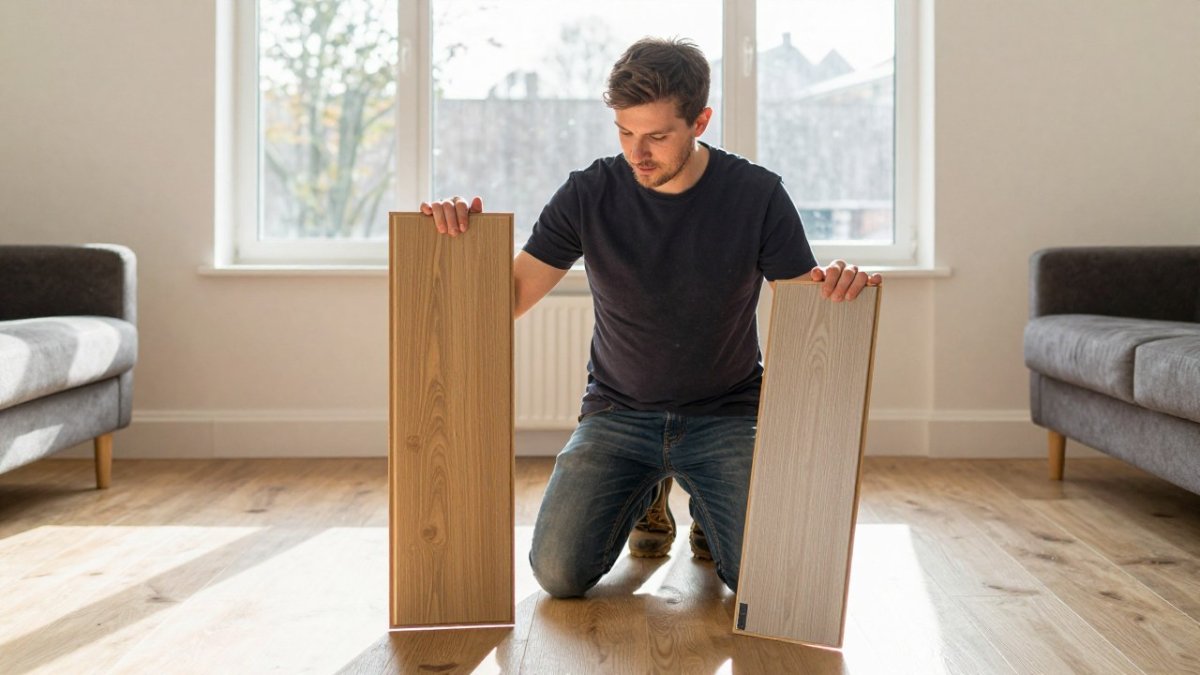
Third, check whether the fitting team is directly employed and experienced with your chosen material. Finally, look for a provider that brings samples to you, viewing materials in your own lighting prevents costly mistakes.
Best LVT Flooring Brands UK: A Quick Comparison
The best LVT flooring brands UK homeowners currently favour balance durability with realistic aesthetics. Luxury vinyl plank has overtaken laminate because it handles moisture and high-traffic areas better. Here is a comparison of the leading options.
| Brand | Core Strength | Best For | Key Consideration |
|---|---|---|---|
| COREtec | 100% waterproof rigid core | Kitchens and bathrooms | Higher price point |
| Pergo Extreme | ScratchGuard technology | Homes with pets and children | Limited ultra-premium finishes |
| Smartcore | Budget-friendly waterproof core | Cost-conscious renovations | Thinner wear layers |
| Lifeproof | DIY-friendly click-lock | Self-installation projects | Firmer feel underfoot |
COREtec: Premium Waterproof Rigid Core
COREtec is the premium choice for homeowners seeking a hardwood imitation that withstands real-life spills. Its patented waterproof core suits kitchens and bathrooms, and the attached cork underlayment provides acoustic insulation and a softer step.
The embossed-in-register texture convincingly mimics natural oak grain. The trade-off is cost, COREtec sits at the higher end of the market, but for a wetroom or open-plan kitchen extension, the moisture resistance justifies the investment.
Pergo Extreme: Scratch Resistance for Busy Homes
Pergo Extreme is the answer for households where pets and children take priority over pristine aesthetics. Its ScratchGuard technology resists scuffs from claws and dragged toys far better than standard vinyl, and its click-lock system simplifies installation.
The main drawback is a more limited range of decorative finishes; if you want a specific stone effect or a rare wood species, you may need to look elsewhere.
Smartcore and Lifeproof: Budget-Friendly DIY Options
Smartcore and Lifeproof occupy the budget tier, offering reliable waterproof performance without the premium price tag. Smartcore's drop-and-lock mechanism suits confident DIYers, while Lifeproof adds a pre-attached antimicrobial underlayment and slip-resistant texture.
The compromise is the thinner wear layer, which is more susceptible to indentation from heavy furniture over time, best suited to bedrooms and low-traffic living spaces.
The Real Cost of Professional Flooring Installation
Most online guides focus on the initial price per square metre, but a truly useful comparison is the total cost of ownership (TCO) over a decade, installation, maintenance, repairs, and eventual replacement.
The Hidden Cost Drivers
A quote should itemise more than material and labour. If a moisture test on a concrete subfloor reveals readings above 75% RH, a damp-proof membrane (DPM) is required; if a 2-metre straightedge reveals deviations greater than 3mm, a self-levelling compound is needed. These two items alone can add £8-£15 per square metre.
For timber subfloors, a springy or uneven floor may require screwing down boards and overboarding with 6mm plywood. Skirting removal and replacement is another frequent omission, adding £5-£8 per linear metre.
The 10-Year Cost of Ownership Model
To make a rational choice, consider this simplified model based on typical UK installation costs for a 20m² living room. These figures are indicative and will vary by region and provider, but they illustrate the mechanism.
| Cost Component | Budget LVT (e.g., Smartcore) | Premium LVT (e.g., COREtec) | Engineered Wood |
|---|---|---|---|
| Material (20m² @ avg. price) | £400 | £900 | £1,200 |
| Underlayment & accessories | £100 | Included (attached) | £150 |
| Professional fitting (labour) | £400 | £400 | £500 |
| Subfloor prep (assume level, dry) | £0 | £0 | £0 |
| Initial Installed Cost | £900 | £1,300 | £1,850 |
| Expected Lifespan | 10 years | 20+ years | 15-20 years |
| Maintenance (cleaning products, etc.) | £50/year | £30/year | £80/year (oils/sealants) |
| Repair Cost (e.g., replacing a damaged plank) | £50 (if you have spare) | £80 (if you have spare) | £150 (sanding and refinishing a section) |
| Estimated 10-Year TCO | £1,400 + replacement | £1,600 | £2,650 |
The key insight: budget LVT is not cheaper over a decade. Its thinner wear layer (6-12 mil) is more prone to indentation and wear; if it fails at year 10, you face full removal and replacement costs. Premium LVT, with a 20-28 mil wear layer, is likely still performing at year 20, making its TCO significantly lower. Engineered wood has the highest ongoing maintenance cost.
The 'Spare Plank' Rule
A practical piece of advice most guides miss: beyond the 10-15% extra for cuts, keep at least two full planks from the original batch after installation, as dye lots vary between manufacturing runs. Check batch numbers on boxes to ensure they are identical.
Why a Mobile Showroom Service Changes the Cost Equation
A mobile showroom service like ours mitigates these hidden costs. Because the consultant visits your home, they can see the subfloor condition, the type of skirting, and the room's proportions before quoting. This allows for a more accurate, fixed-price quote that includes the necessary preparation work, reducing the risk of 'supplements' being added on the day of installation, a common complaint with online or national brands where the surveyor and the fitter are different people.

Benefits of Mobile Flooring Showrooms for Your Renovation
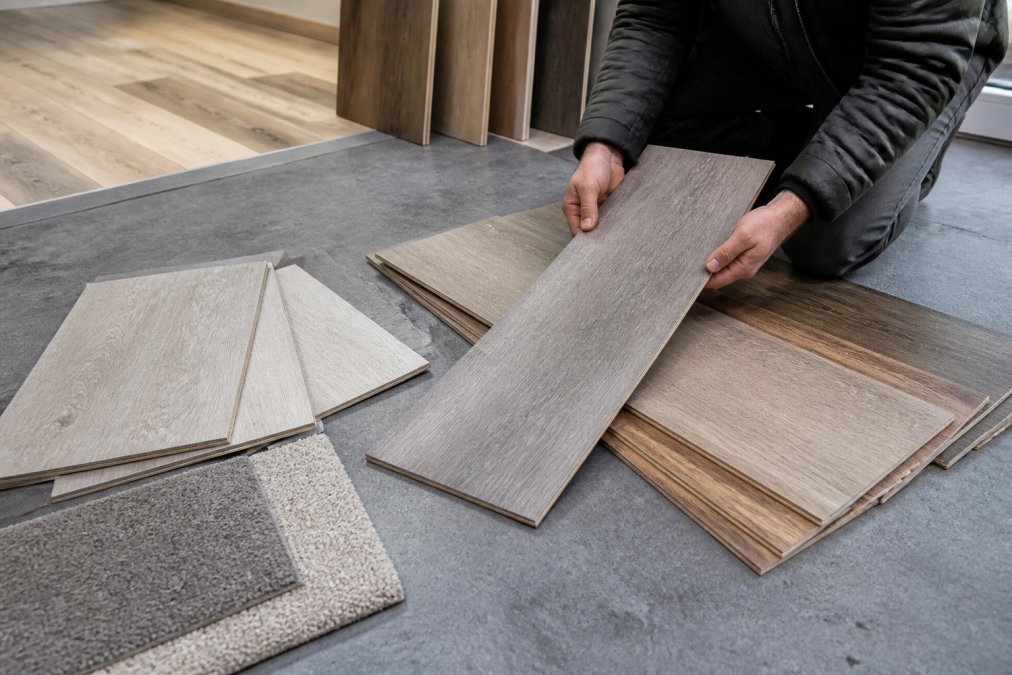
A mobile flooring showroom removes the guesswork from renovation. Instead of squinting at small swatches under fluorescent shop lights, you see full-size samples in the rooms where they will be fitted.
The convenience is substantial for busy professionals, a consultant visits at a time that suits you, often outside standard retail hours, and guides you through options tailored to your budget and style.
This approach also bridges aesthetics and technical suitability, with a consultant advising on whether a stone effect LVT suits your underfloor heating or whether a textured finish is needed for a wetroom.
Subfloor Compatibility and Moisture: What Most Guides Miss
The floor you see is only as good as the surface it sits on, the single most common cause of premature flooring failure, yet almost entirely absent from lifestyle guides.
Identifying Your Subfloor Type
The first step is to identify what lies beneath your existing floor covering. In UK homes, you will typically encounter one of two types:
-
Concrete/Screed Subfloors: Common in modern builds, ground floors, and extensions. They can be a solid concrete slab or a sand-and-cement screed laid over it. The primary concern here is moisture. New screeds can take weeks or months to dry fully (concrete.org.uk). A simple test is to tape a 500mm square of polythene sheeting to the floor for 24 hours (greenbuildingadvisor.com). If condensation forms underneath, the slab is too damp for installation.
-
Timber/Wooden Subfloors: Common in older properties and upper floors. They consist of floorboards over joists. The primary concerns are levelness and movement. Boards can be cupped, warped, or have gaps. The joists underneath may be uneven, causing the floor to flex or 'spring' when walked on.
The Moisture Test: A Non-Negotiable Step
For concrete subfloors, the definitive test is the Calcium Carbide (CM) test or a digital hygrometer. British Standard BS 8203 specifies that screed moisture content must not exceed 75% RH; if higher, a DPM must be applied or the adhesive will fail and the vinyl will bubble or warp.
For timber subfloors, moisture content should be between 8-12% for most flooring types. High readings indicate a potential leak or inadequate ventilation, which must be resolved before laying new flooring.
Material-Specific Compatibility
Different flooring types have different tolerances for subfloor imperfections:
-
Luxury Vinyl Plank (LVT): Requires a smooth, level base. For click-lock LVT, the subfloor must be level to within 3mm over a 2-metre straightedge. For glue-down LVT, the tolerance is even tighter, typically 2mm over 2 metres. Any deviation requires a self-levelling compound. LVT is impervious to moisture, but the subfloor is not. A damp subfloor can lead to mould growth beneath the vinyl, which is a health hazard.
-
Engineered Wood: Similar tolerances to LVT for levelness. It is more susceptible to moisture damage than LVT, so a DPM is essential on concrete subfloors. It should never be installed over a damp subfloor.
-
Laminate: Laminate is the most forgiving on minor subfloor imperfections, but it is the most vulnerable to moisture. It is a wood-based product and will swell if exposed to standing water. A high-quality underlayment with an integral moisture barrier is essential, especially on ground floors.
The Underlayment's Role
Underlayment is not just for comfort; it is functional. For timber subfloors, a 5mm foam underlayment smooths minor undulations and provides acoustic insulation. For concrete subfloors, it must include a vapour barrier. Some premium LVT products, like COREtec, have an attached cork underlayment, but this does not negate the need for a DPM on a damp slab.
A Practical Checklist for Your Home
Before you book an installation, ask your provider to confirm they will perform the following checks:
- Identify the subfloor type (concrete or timber).
- Perform a moisture test (CM test or hygrometer for concrete; pin meter for timber).
- Check for levelness using a 2-metre straightedge.
- Inspect for any signs of damp, efflorescence (white salts on concrete), or woodworm.
- Confirm the required preparation work (e.g., self-levelling compound, DPM, overboarding) is included in the quote.
A provider who skips these steps is not saving you money; they are storing up problems for the future. A mobile showroom consultant, seeing the subfloor in person, is best placed to assess these factors before you commit.
Making the Switch: Your Flooring Replacement Checklist
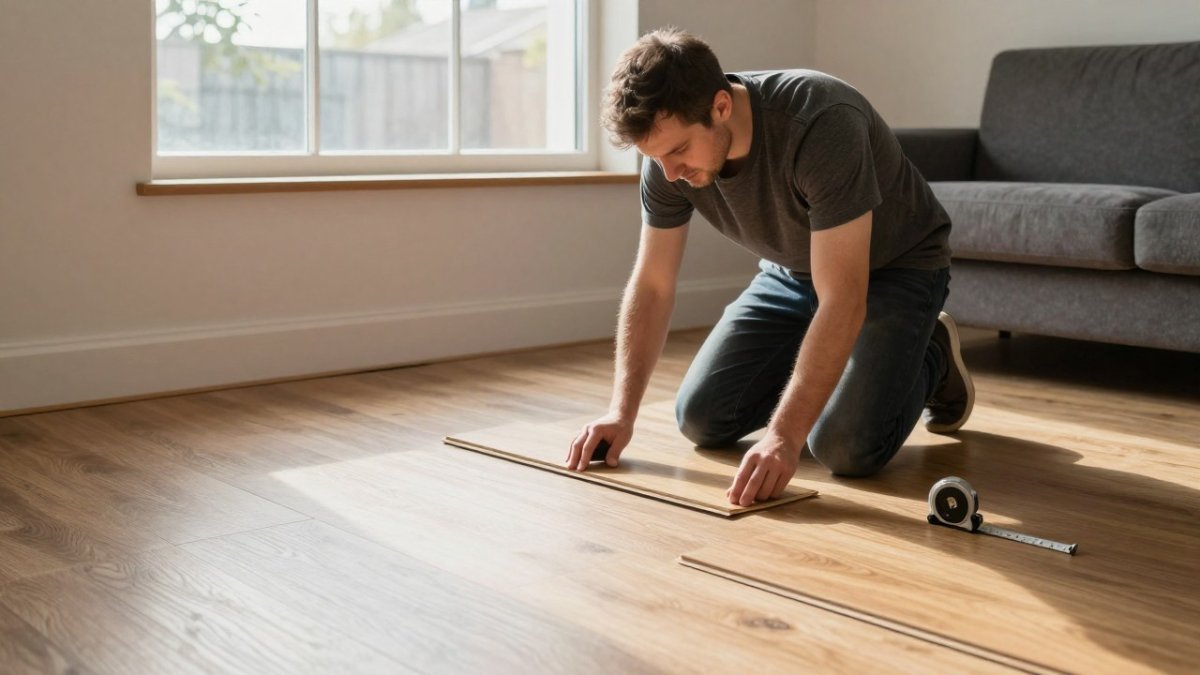
Planning a flooring replacement is straightforward if you follow a logical sequence. Start by measuring the room accurately and noting any irregularities in the walls. Then book a home consultation to view samples in situ.
- Check subfloor moisture and levelness before ordering materials
- Order 10-15% extra material to account for cuts and future repairs
- Confirm the delivery date aligns with your fitter's availability
- Clear the room and remove existing flooring or arrange for disposal
- Ensure the subfloor is clean, dry, and free of debris
- Acclimatise the planks in the room for 48 hours before fitting
A common mistake is rushing acclimatisation. LVT needs time to adjust to room temperature and humidity; installing it immediately after delivery can cause planks to expand or contract after fitting, leading to gaps or buckling.
Conclusion: Choosing the Right Flooring Alternative for Your Home
Selecting a signature floors alternative comes down to finding a partner who takes responsibility for the entire process, the best LVT flooring brands UK suppliers offer excellent materials, but installation quality determines how they perform.
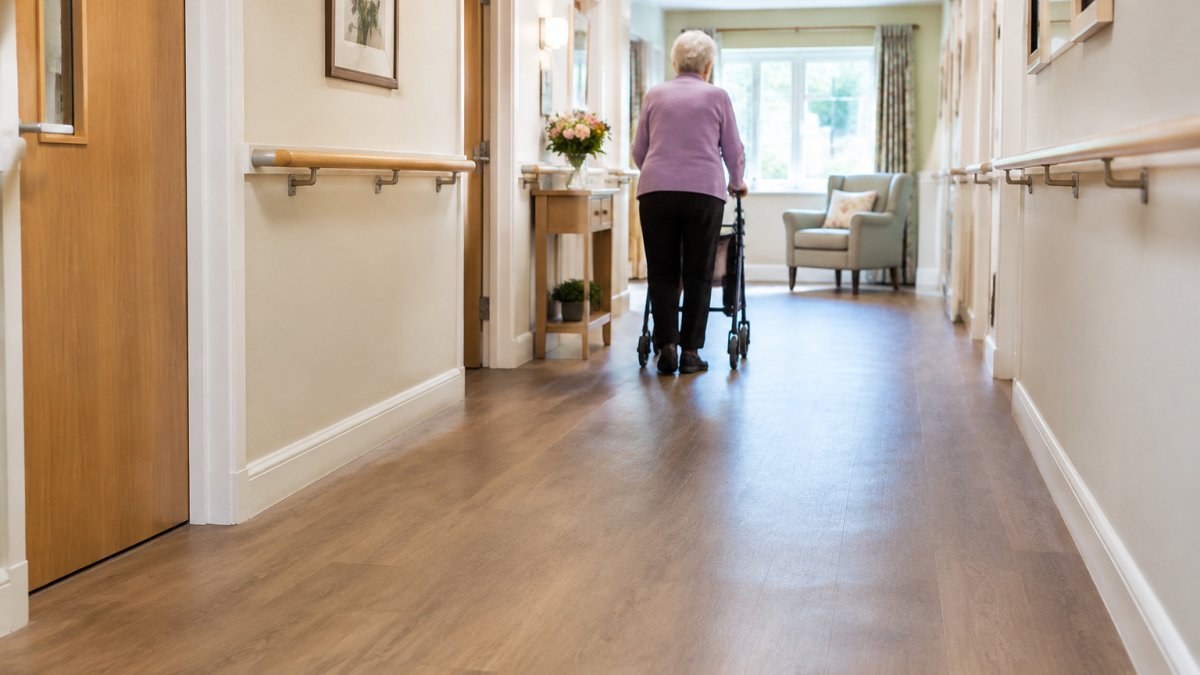
At Mobile Carpets and Flooring SW Ltd, our family-run business combines over 25 years of fitting experience with the convenience of an at-home consultation. Our specialists guide you through thousands of samples, including options for wetrooms and high-traffic commercial settings like nursing homes. We handle supply and fit, so you have one point of contact from first sample to final clean.
Book an appointment with Mobile Carpets and Flooring SW Ltd to transform your home with flooring chosen in the light of your own rooms.
Frequently Asked Questions
How do LVT alternatives compare to Signature Floors in terms of cost?
Pricing for LVT alternatives depends heavily on the brand, wear layer thickness, and total area. Premium brands like COREtec cost more per square metre than budget options like Smartcore. For an accurate comparison, request a quote that includes supply and professional fitting. A mobile showroom consultant can measure your rooms and provide a fixed price for materials and installation, so you know the total cost before any work begins.
Is it better to choose LVT or carpet for high-traffic areas?
For high-traffic areas like hallways and kitchens, LVT is usually the better choice. It resists scratches, dents, and moisture far better than carpet, and it is easier to clean. Look for a wear layer of at least 0.3mm to 0.5mm for residential use. Carpet remains a good option for bedrooms and living rooms where comfort and acoustic insulation matter more than durability.
Are there local mobile flooring services that offer comparable quality to Signature Floors?
Yes. Mobile Carpets and Flooring SW Ltd provides a premium mobile showroom service across Plymouth and the South West. With over 25 years of experience, they bring thousands of samples to your door, including LVT, carpets, and specialist wetroom flooring. Their expert consultants offer tailored advice and their highly skilled fitters handle installation, giving you a seamless supply-and-fit service without visiting a showroom.
What should I look for when choosing a flooring alternative for my home?
Focus on the wear layer thickness, core material, and warranty. For LVT, a thicker wear layer means better scratch and stain resistance. Check the underlayment: attached cork or foam improves sound insulation and comfort. Verify the product is 100% waterproof if fitting it in kitchens or bathrooms. Finally, confirm the provider offers professional fitting to avoid issues like rippling or damage to skirting boards.
Frequently Asked Questions
Q: How do LVT alternatives compare to Signature Floors in terms of cost?
A: Pricing for LVT alternatives depends heavily on the brand, wear layer thickness, and total area. Premium brands like COREtec cost more per square metre than budget options like Smartcore. For an accurate comparison, request a quote that includes supply and professional fitting. A mobile showroom consultant can measure your rooms and provide a fixed price for materials and installation, so you know the total cost before any work begins.
Q: Is it better to choose LVT or carpet for high-traffic areas?
A: For high-traffic areas like hallways and kitchens, LVT is usually the better choice. It resists scratches, dents, and moisture far better than carpet, and it is easier to clean. Look for a wear layer of at least 0.3mm to 0.5mm for residential use. Carpet remains a good option for bedrooms and living rooms where comfort and acoustic insulation matter more than durability.
Q: Are there local mobile flooring services that offer comparable quality to Signature Floors?
A: Yes. Mobile Carpets and Flooring SW Ltd provides a premium mobile showroom service across Plymouth and the South West. With over 25 years of experience, they bring thousands of samples to your door, including LVT, carpets, and specialist wetroom flooring. Their expert consultants offer tailored advice and their highly skilled fitters handle installation, giving you a seamless supply-and-fit service without visiting a showroom.
Q: What should I look for when choosing a flooring alternative for my home?
A: Focus on the wear layer thickness, core material, and warranty. For LVT, a thicker wear layer means better scratch and stain resistance. Check the underlayment: attached cork or foam improves sound insulation and comfort. Verify the product is 100% waterproof if fitting it in kitchens or bathrooms. Finally, confirm the provider offers professional fitting to avoid issues like rippling or damage to skirting boards.