 blog
Are durable floors worth it for a busy family hallway?
Last Updated: November 8, 2026
Quick Summary
LVT is the best durable flooring for most busy family hallways because it is waterproof, scratch-resistant and simple to mop. It handles muddy shoes, pet claws and daily footfall without the fuss of solid wood, though it is firmer underfoot than carpet.
- Sheet vinyl is waterproof and soft underfoot but a tear means replacing a section or the whole floor.
- Porcelain and ceramic tiles are hard-wearing options that suit busy hallways with heavy daily footfall.
- Laminate can suit a tighter budget, but water that reaches its joints swells the fibreboard core.
- Pair a hard-wearing base with a non-slip runner for warmth and grip where feet land.
- Keep a spare box of the same batch to replace a single damaged LVT or tile unit.
Table of Contents
- What Is the Best Flooring for a Busy Hallway?
- LVT Flooring for Hallways: Hard-Wearing and Waterproof
- Vinyl Flooring for Hallways: Cushioned Sheet and Tile Options
- Porcelain, Ceramic and Wood: When Hard Materials Make Sense
- Laminate and Carpet Runners: Balancing Cost, Comfort and Wear
- Easy-Clean Flooring for Families: Maintenance and Indoor Air Quality
- Lifecycle Cost, Repairability and Installation Constraints
- Book a Mobile Showroom Visit for Your Hallway Flooring
- Frequently Asked Questions
What Is the Best Flooring for a Busy Hallway?
The best flooring for a busy hallway balances durability, water resistance and easy cleaning against comfort and cost. For most family homes, luxury vinyl tile (LVT) wins on that balance. It handles muddy shoes, pet claws and daily footfall without the fuss of solid wood.
Hallways are the hardest-working floor in any house. Every person who enters walks the full length of it, often in wet shoes, and usually carrying something. Hallways are often the first room in a family home to show wear.
Below, we break down the real options, what each one costs you over its life, and which suits different households. The comparison covers five durable flooring options across six practical criteria.
| Flooring | Water Resistance | Underfoot Comfort | Repair Ease | Best For |
|---|---|---|---|---|
| LVT | Waterproof | Moderate | Tile-by-tile | Most family hallways |
| Sheet vinyl | Waterproof | Soft | Whole-sheet replacement | Tight budgets |
| Porcelain tile | Waterproof | Hard | Tile-by-tile | Heavy daily footfall |
| Engineered wood | Water-resistant | Warm | Board-by-board | Period homes |
| Laminate | Water-resistant | Moderate | Board-by-board | Rental properties |
LVT Flooring for Hallways: Hard-Wearing and Waterproof
LVT flooring for hallways is the strongest all-round choice for family homes. The planks and tiles are waterproof, scratch-resistant and simple to mop, which matters when muddy shoes and pets cross the same few metres every day.
The wear layer is an important factor in how long LVT lasts, so ask what you are getting rather than judging by the photo on the box.
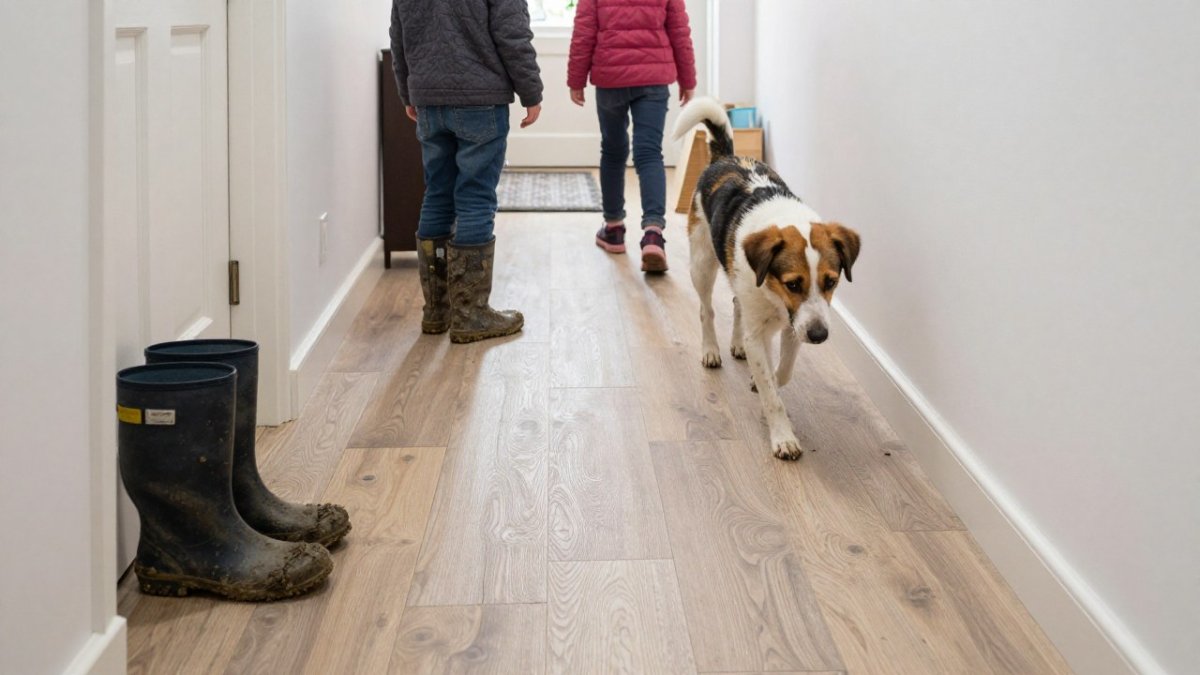
Where LVT falls short is underfoot comfort. It is firmer than carpet, so standing for long periods feels harder. A common mistake is choosing the thinnest, cheapest board for a busy hallway.
Best for: busy family homes wanting waterproof, low-maintenance flooring. Skip if: you want a soft, quiet floor underfoot.
Vinyl Flooring for Hallways: Cushioned Sheet and Tile Options
Vinyl flooring for hallways covers two different products: sheet vinyl and vinyl tiles.
Cushioned vinyl adds a foam backing that can soften the feel underfoot.
The trade-off is repairability. A tear or deep scratch in sheet vinyl means replacing a section or the whole floor, whereas a damaged LVT tile can be lifted and swapped. In a hallway that takes daily footfall, that difference matters over the years.
Porcelain, Ceramic and Wood: When Hard Materials Make Sense
Porcelain tiles and ceramic tiles are hard-wearing options that can suit busy hallways.
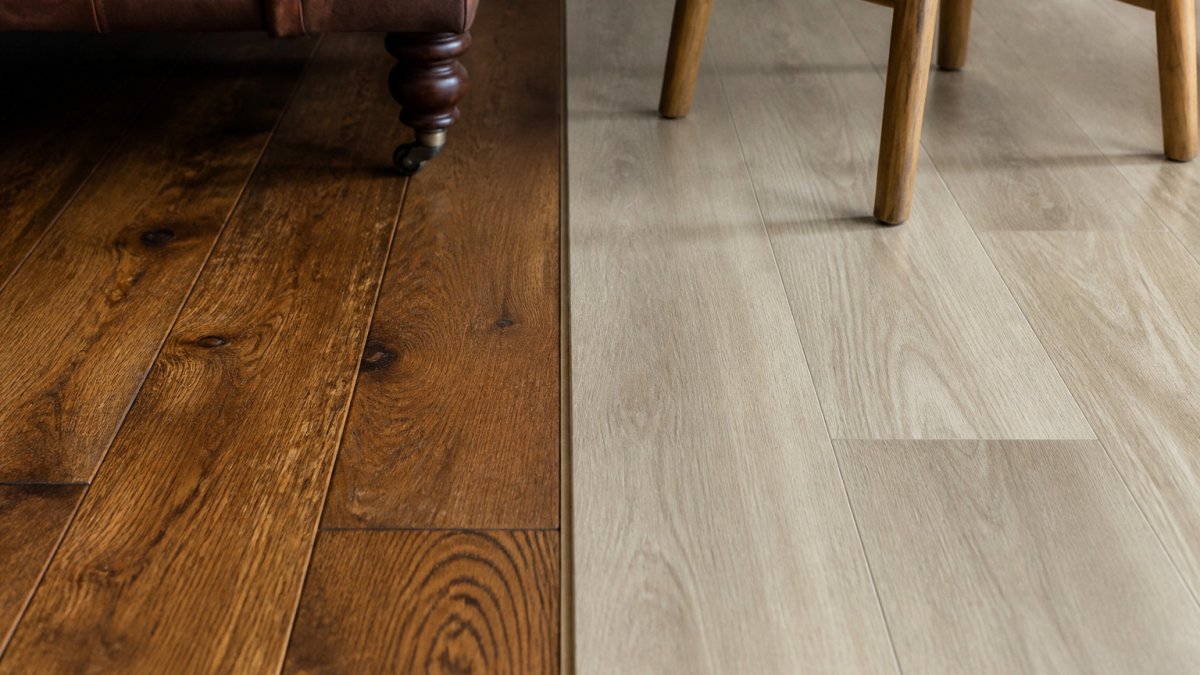
Engineered wood and solid wood bring warmth and natural materials that no vinyl can copy. Engineered boards handle moisture better than solid timber because the core is more stable, though neither likes standing water. Spills need wiping promptly.
Hard materials suit homes where durability is the main priority. They may be less suitable in a cold hallway or a home with toddlers, where warmth underfoot matters more.
Laminate and Carpet Runners: Balancing Cost, Comfort and Wear
Laminate flooring is a hard floor option that can suit a tighter budget. Standing water is still its weak point: the core is a fibreboard, and water that reaches the joints swells the board and lifts the wear surface. A leak, a soaked doormat or a pet accident left overnight can do more damage than years of footfall, so wipe spills promptly and lift a wet doormat rather than leaving it in place.
A thicker board with a sound underlay can feel firmer underfoot, and an acoustic underlay can reduce hollow sound.
Carpet runners soften a hard hallway and cut noise. A runner protects the main floor from the worst of the traffic down the centre of the hall, and it is easy to replace when it wears. The mechanism is simple: feet land on the runner rather than the base floor, so grit and moisture are trapped in the pile instead of being walked into the joints. A runner also adds grip where feet actually land, which matters on tile and smooth LVT.
A common approach is pairing a hard-wearing base with a runner: LVT or tile for the full floor, with a runner adding warmth and grip where feet actually land. Choose a runner with a non-slip backing or fit it with an underlay or gripper, because a loose runner on a smooth floor is a trip risk in its own right. Washable runners suit muddy gardens and pets; wool runners feel warmer but need more careful cleaning.
Easy-Clean Flooring for Families: Maintenance and Indoor Air Quality
Easy-clean flooring for families comes down to how few steps the weekly routine takes. Hard floors need sweeping and a damp mop. Carpet needs vacuuming and occasional deep cleaning.
Hard floors can hold less dust and pet hair than carpet, which may help in homes with allergy sufferers.
Watch out: harsh cleaners and excess water do more damage to hallway floors than dirt does. Standing water can creep under skirting boards and swell joints. If you are protecting your hallway's edges during cleaning and daily wear, our guide on how to prevent damaged skirting boards covers the practical steps.
Lifecycle Cost, Repairability and Installation Constraints
The cheapest floor per square metre is rarely the cheapest floor over ten years. Lifecycle cost combines the purchase price, fitting, cleaning products and the cost of repair or replacement.
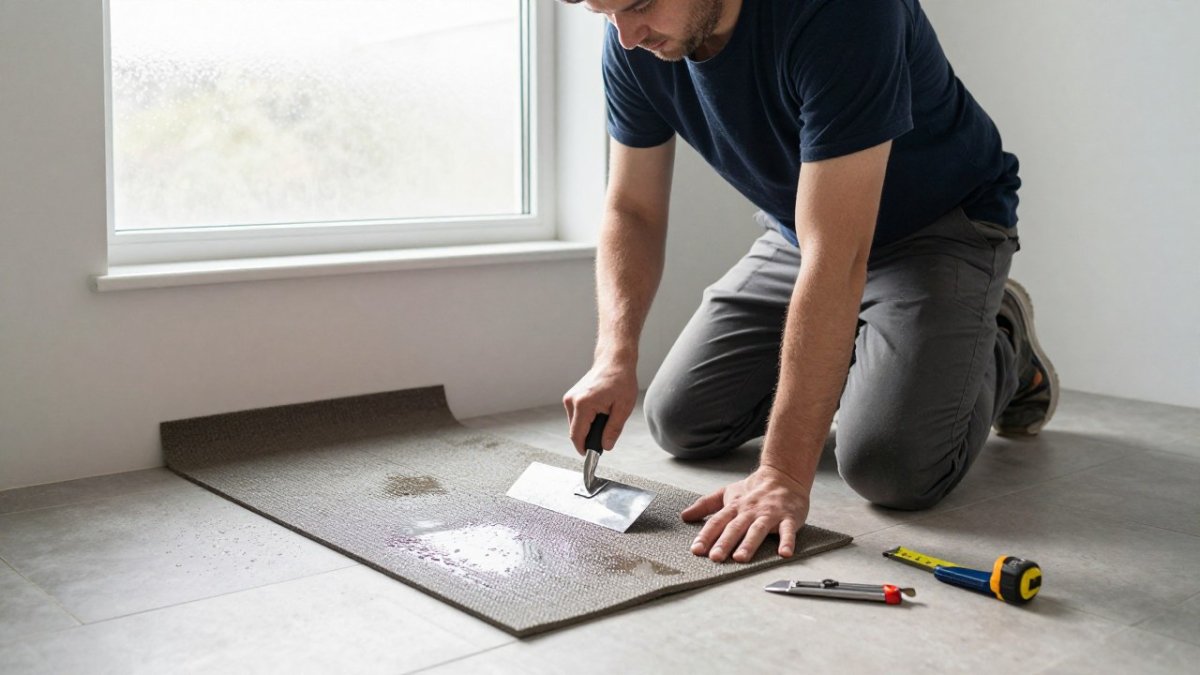
Purchase and fitting. Pricing depends on the product chosen, quantity, dates and delivery. For current prices or a quote, please visit the Mobile Carpets and Flooring SW Ltd website. Fitting labour is the variable that surprises people: tile and herringbone LVT take longer to lay than a straight plank or sheet, and awkward hallway corners, doorways and cupboard returns add cutting time on every option.
Cleaning over time. Hard floors need a broom and a damp mop; carpet needs vacuuming and occasional deep cleaning. The cost difference is small per week but compounds over a decade, and harsh cleaners or excess water do more damage than dirt does. Standing water can creep under skirting boards and swell joints, so a mop that is wrung out properly matters more than the product on the bottle.
Repair and replacement. Repairability varies between these options. Keeping a spare box of the same batch can help when replacing a single damaged LVT or tile unit, as later batches may not match exactly. That matters in a hallway, where damage concentrates in the same two or three metres by the door.
Lifespan with caveats. Lifespan depends on the product, fitting and how the floor is used. Water exposure in particular can shorten the life of many flooring types. These are ranges, not guarantees: a cheap wear layer, a hollow subfloor or a soaked doormat will shorten any of them. Ask what wear layer you are getting rather than judging by the photo on the box.
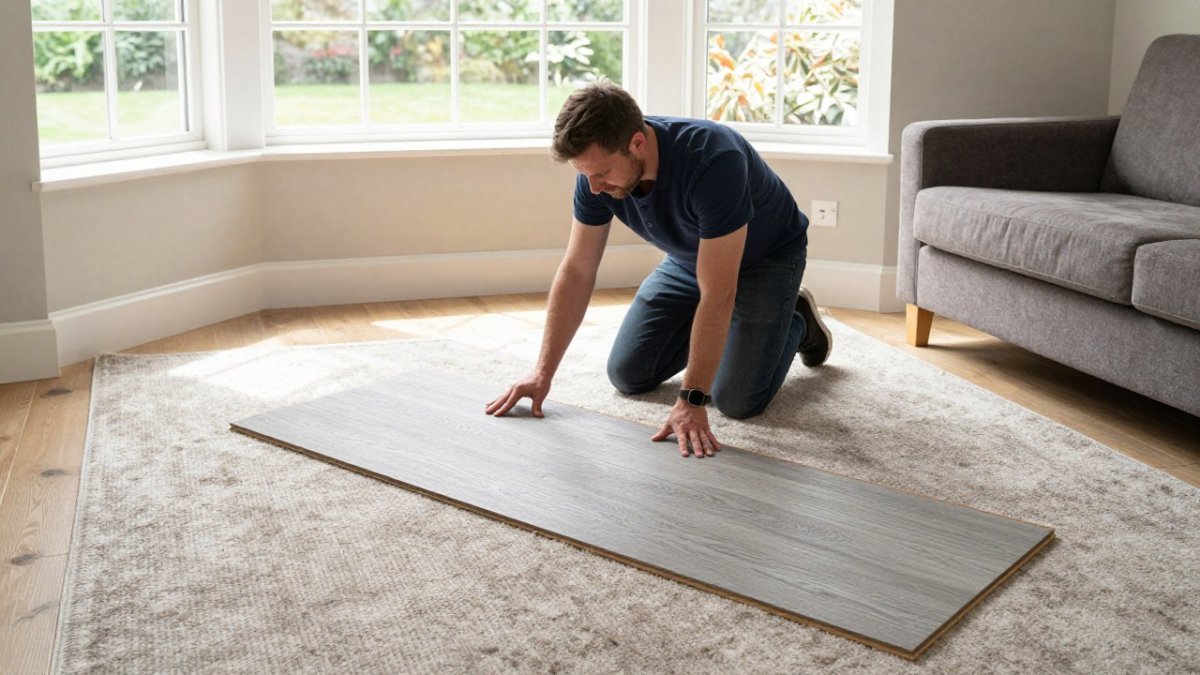
Installation constraints. Many hallways have uneven or solid subfloors, awkward corners and doors that need trimming. LVT and laminate often need a flat, sound subfloor; tile adds floor height that can affect door clearance, so check thresholds and the gap under doors before you commit. Underlay choice can affect both comfort and noise. Check what is under the old floor before you commit, and budget for subfloor preparation as a separate line rather than assuming it is included.
According to the UK government's guidance on housing standards and floor safety, safe, well-maintained floors form part of a healthy home. For commercial or care settings, the Health and Safety Executive's guidance on slip risks is worth reading before specifying a floor for high-traffic areas.
Book a Mobile Showroom Visit for Your Hallway Flooring
Choosing between flooring options for busy family hallways is easier when you can see and feel samples in your own home.
That is exactly what we do. Mobile Carpets and Flooring SW Ltd brings a mobile showroom to your door, with thousands of samples covering LVT, vinyl, carpet and specialist options. Our consultants guide you through the samples and your budget, and our fitters handle professional installation.
Get started with Mobile Carpets and Flooring SW Ltd and choose your hallway floor from the comfort of your home.
Your hallway takes more punishment than any other floor in the house, and the right choice depends on your family, your subfloor and your budget. We can bring the samples to you, talk through the trade-offs in your own hallway, and fit the result properly. Get started with Mobile Carpets and Flooring SW Ltd and book a home visit at a time that suits you.
Frequently Asked Questions
What is the most durable flooring for a busy hallway?
Luxury vinyl tile and porcelain tile are the most durable choices for a busy family hallway. LVT and porcelain tile are hard-wearing options for busy hallways. Laminate and engineered wood look warmer but need more care around moisture, and carpet shows wear faster in entrance zones unless you use a dense carpet runner.
Is LVT or tile better for a family hallway?
LVT flooring for hallways can feel softer underfoot than porcelain tile, which is harder but can feel colder. For families with pets and young children, LVT usually wins on comfort and repairability; tile suits entrances where water and grit are the main concern.
Is laminate flooring suitable for a busy hallway?
Laminate can suit a hallway if you choose a thicker board and keep it dry. Standard laminate swells when water sits on seams, so it is a weaker choice near muddy shoes and wet umbrellas. Use moisture-resistant underlay, wipe spills quickly and place a mat at the door to extend its life.
How can I protect hallway flooring from muddy shoes and pets?
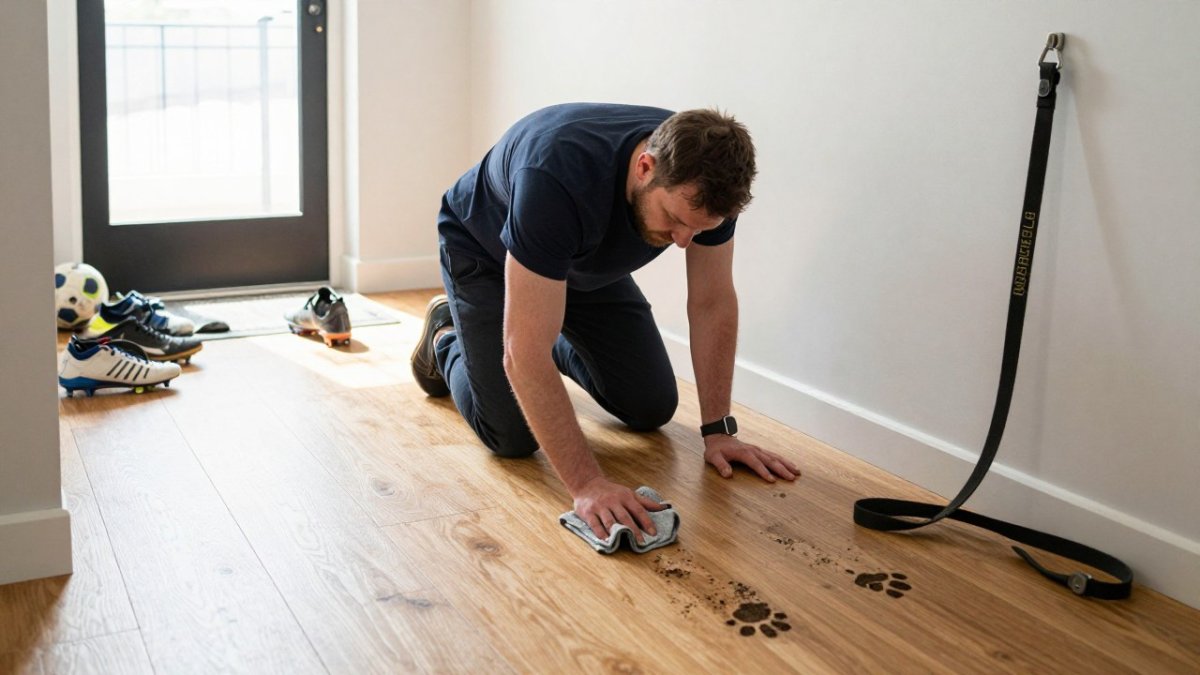
Use a washable entrance mat, ask about the wear layer thickness of any vinyl you are considering, and choose scratch-resistant finishes for wood and laminate. Keep a towel by the door for paws, mop spills promptly, and pick easy-clean flooring for families with a smooth surface rather than deep pile. A carpet runner over hard flooring adds grip and traps grit before it spreads.