 How-to
Is luxury vinyl tile waterproof or water-resistant?
Last Updated: October 24, 2026
Quick Summary
Luxury vinyl tile waterproof claims are misleading because most LVT is water-resistant, not truly waterproof. While the planks themselves resist water brilliantly, water can seep through seams and edges if the floor isn't installed correctly, making installation quality the real determinant of performance.
- Water can get under vinyl plank flooring through seams and edges even if planks are water-resistant
- Most LVT warranties exclude water damage from improper installation or maintenance
- Professional installation with sealed seams and moisture barriers underneath prevents water damage far more than the plank material itself
- LVT works well in kitchens and bathrooms with proper installation but should avoid direct shower spray zones and areas with standing water
- Proper cleaning with minimal water and a damp mop protects LVT's water-resistant properties and extends its lifespan
Table of Contents
- The key difference: waterproof vs water-resistant luxury vinyl tile
- Waterproof vs water-resistant vinyl flooring: what the terms actually mean
- Can water get under vinyl plank flooring through seams and edges?
- Where LVT works best: bathrooms, kitchens and high-moisture areas
- How to clean luxury vinyl flooring to protect its water-resistant properties
- LVT flooring warranty and water damage: what's actually covered
- Getting the right LVT for your home: choosing based on your space
- Frequently Asked Questions
The key difference: waterproof vs water-resistant luxury vinyl tile
Waterproof means nothing gets through. Water-resistant means water slides off the surface but can still seep through seams and edges if the floor isn't installed correctly.
This distinction matters because many homeowners assume water-resistant luxury vinyl tile waterproof claims mean the floor is fully protected. It isn't. The planks themselves resist water brilliantly. The problem is what happens at the edges and underneath.
According to Flooring America's waterproofing guide, water can seep through seams or edges even though the individual planks are highly water-resistant. This is the real issue with luxury vinyl tile waterproof claims you see in marketing.
At Mobile Carpets and Flooring SW Ltd, we guide customers through this distinction because it directly affects where LVT works best in your home. Understanding the difference helps you choose the right flooring for bathrooms, kitchens, and other moisture-prone areas.
Waterproof vs water-resistant vinyl flooring: what the terms actually mean
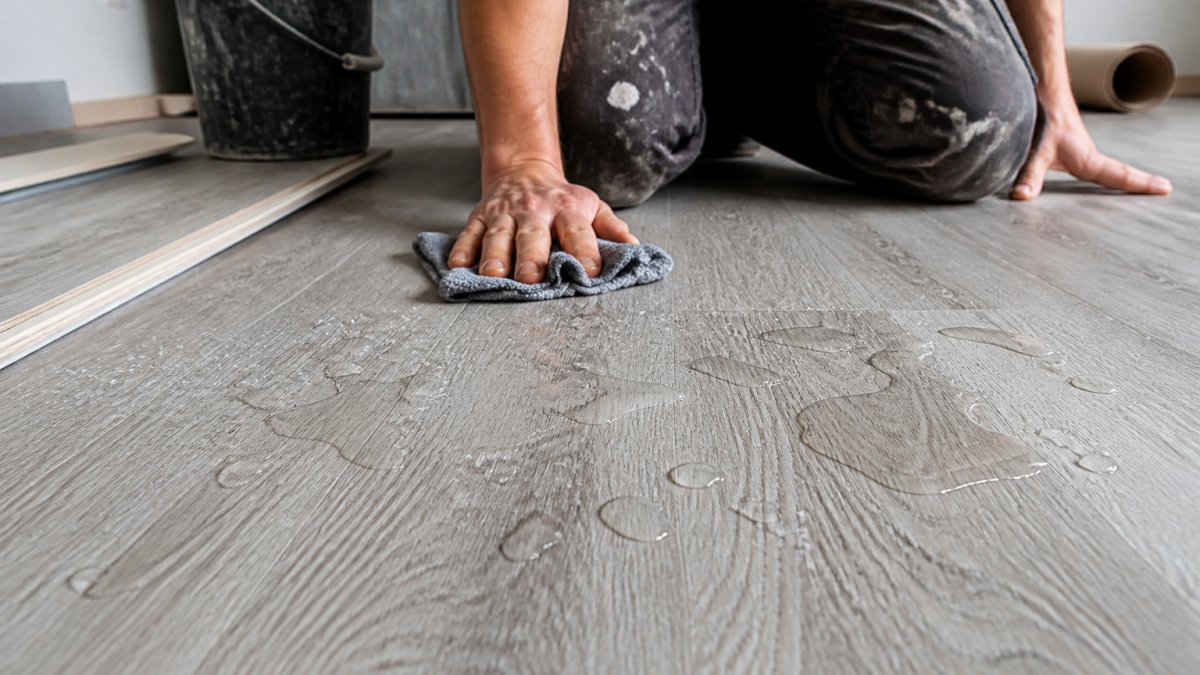
Water-resistant means the surface repels water. Spills bead up and wipe away easily. The wear layer and core resist moisture penetration for a period of time.
Waterproof means water cannot pass through at all, in any direction, under any circumstance. True waterproofing is rare in flooring because seams always exist, and seams are vulnerable.
Most LVT products are water-resistant, not waterproof. The material itself performs well against moisture. But the installation method, how seams are sealed, how the subfloor is prepared, determines whether water reaches the substrate underneath.
Floor Authority notes that LVT has a protective wear layer and water-resistant core, but argues that no LVT is truly waterproof. This matters for high-moisture areas where standing water or constant humidity is a real risk.
The key takeaway: a water-resistant floor can fail if water finds its way underneath through poor installation or inadequate edge sealing.
LVT products fall into two categories based on how they handle moisture.
| Term | Meaning | Reality for LVT |
|---|---|---|
| Water-resistant | Surface repels water; spills bead up and wipe away | Most LVT products are water-resistant, not waterproof |
| Waterproof | Water cannot pass through at all, in any direction | True waterproofing is rare in flooring because seams always exist |
| Installation quality | How seams are sealed and subfloor is prepared | Determines whether water reaches substrate underneath |
Can water get under vinyl plank flooring through seams and edges?
Yes. Water can absolutely get under vinyl plank flooring through seams and edges, even if the planks themselves are water-resistant.
Here's why this happens:
- Seams are the weak point. Every join between planks is a potential entry point if not sealed properly.
- Subfloor preparation matters. If the substrate isn't moisture-sealed before installation, water travels underneath the planks and into the subfloor.
- Edge gaps allow infiltration. Around room perimeters and under baseboards, water can wick underneath if edges aren't sealed.
- Installation quality is critical. Proper spacing, underlayment, and edge sealing prevent water penetration far more than the plank material itself.
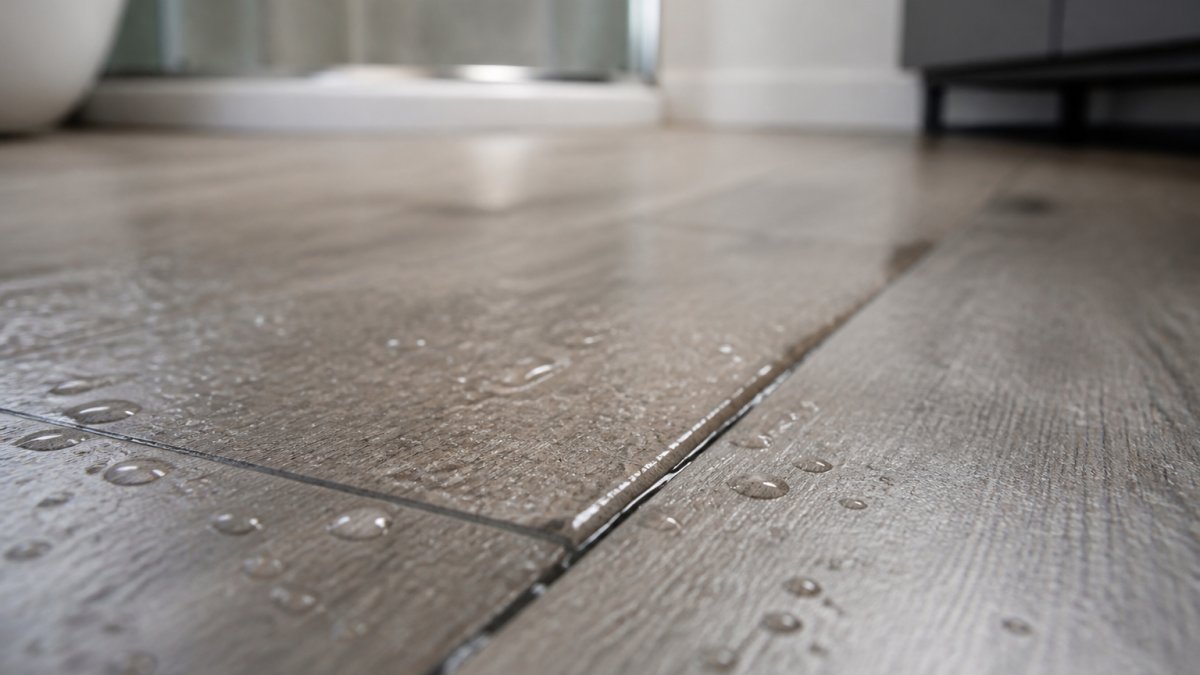
Water doesn't need to break through the plank. It finds the path of least resistance, around the edges, under the planks, into the subfloor. This is why installation quality separates floors that last from floors that fail in wet areas.
When you choose LVT for a bathroom or kitchen, the material is only part of the solution. Professional installation with proper underlayment and edge sealing is what actually stops water damage.
Where LVT works best: bathrooms, kitchens and high-moisture areas
Bathrooms: LVT works well in bathrooms if installed correctly. The water-resistant surface handles splashes and humidity. But avoid placing it directly over the shower or in areas where standing water collects. Ensure the subfloor is moisture-sealed and edges are properly sealed.
Kitchens: Kitchens are ideal for LVT. Spills wipe clean instantly. The surface resists staining and moisture from everyday use. Again, proper installation with sealed seams is essential.
Laundry rooms: High humidity and occasional spills make laundry rooms suitable for LVT, provided the subfloor is prepared to handle moisture.
Entryways and hallways: These moderate-moisture areas are excellent for LVT. Water resistance handles wet shoes and tracked-in moisture without issue.
Avoid these areas for LVT:
- Direct shower spray zones
- Areas with standing water or flooding risk
- Basements prone to water seepage (use waterproof solutions instead)
- Wetrooms without proper waterproof membranes underneath
The rule is simple: LVT handles moisture from use and humidity. It doesn't handle water that sits or seeps from below. If water pooling is a risk, you need a different solution or a waterproof membrane installed beneath the LVT.
Mobile Carpets and Flooring SW Ltd can advise on whether LVT suits your specific space. Some rooms need specialist flooring options, particularly wetrooms and accessible bathrooms where safety and waterproofing are non-negotiable.
How to clean luxury vinyl flooring to protect its water-resistant properties
Proper cleaning maintains LVT's water-resistant finish and extends its life.
Daily cleaning:
- Sweep or vacuum to remove dirt and grit
- Wipe spills immediately with a damp cloth
- Use a microfibre mop for light cleaning
Weekly cleaning:
- Damp mop with lukewarm water and a pH-neutral cleaner
- Avoid excessive water, wring out the mop thoroughly
- Dry the floor after mopping to prevent water pooling at seams
What to avoid:
- Excess water or standing liquid
- Acidic cleaners or vinegar solutions
- Abrasive scrubbing pads
- Oil-based or wax products
- Bleach or harsh chemicals
Best practice: Less water is always better. The goal is a damp mop, not a wet one. Water sitting on the surface or seeping into seams defeats the water-resistant properties and risks damage to the subfloor.
Regular, gentle cleaning keeps LVT looking new and maintains its protective layer. Aggressive cleaning or excessive moisture actually shortens the floor's lifespan.
LVT flooring warranty and water damage: what's actually covered
Most LVT warranties cover manufacturing defects but exclude water damage from improper installation or maintenance.
What's typically covered:
- Manufacturing defects in the plank material
- Wear layer degradation under normal use
- Discolouration from manufacturing faults
What's usually NOT covered:
- Water damage from seepage or standing water
- Damage from improper installation
- Subfloor damage from moisture infiltration
- Damage from excessive moisture or humidity
- Wear from inadequate maintenance
The critical detail: warranties often require professional installation to remain valid. DIY installation or poor installation voids coverage for water-related damage.
Always review your specific warranty terms before purchase. Ask about water damage exclusions and what installation standards must be met to keep the warranty active.
This is where professional installation becomes a genuine investment. A qualified fitter ensures the warranty stays valid and the floor performs as designed.
Getting the right LVT for your home: choosing based on your space
Choosing LVT means matching the product to your room's moisture level and traffic intensity.
For high-traffic areas: Look for LVT with a thicker wear layer (12 mil or more). Thicker wear layers resist scratching and staining better than thinner options.
For moisture-prone spaces: Choose LVT with a waterproof core and ensure professional installation includes sealed seams and a moisture barrier underneath.
For aesthetic preference: LVT comes in wood-look, stone-look, and tile-look finishes. Choose based on your style and the room's function.
Installation quality matters most: The best LVT fails if installed poorly. The worst LVT performs well if installed correctly. Prioritise professional installation over cutting corners on material cost.
Floor Authority's guidance on luxury vinyl plank water resistance reinforces that installation method determines real-world performance more than the plank itself.
Mobile Carpets and Flooring SW Ltd offers luxury vinyl tile options with thousands of samples to choose from. Our expert consultants guide you through selecting the right LVT for your specific space, considering moisture levels, traffic, and your design preferences.
You can book a consultation to explore options in your home, or contact us to discuss your flooring needs and get a quote for supply and professional installation.
Frequently Asked Questions
Is luxury vinyl tile completely waterproof?
No. Luxury vinyl tile is water-resistant, meaning the planks or tiles themselves resist water absorption. However, the material is not completely waterproof. Water can seep through seams, edges, or gaps if the floor is not installed correctly, allowing moisture to reach the subfloor beneath. Proper installation and sealing of seams is essential to prevent water damage.
What's the difference between waterproof and water-resistant LVT?
Water-resistant means the surface resists water penetration and has a protective wear layer, but water can still pass through seams or edges and reach the subfloor. Waterproof means water cannot pass through at all. LVT is water-resistant rather than truly waterproof. This distinction matters in bathrooms and kitchens where standing water or repeated moisture exposure occurs.
Can a leak damage luxury vinyl tile flooring?
Yes. If water leaks from pipes or appliances and sits under the LVT, it can damage the subfloor and cause the planks to warp or lift. Water can travel underneath the flooring through seams or poor installation, reaching the substrate. Quick cleanup of spills and prompt repair of leaks are essential. Check your warranty terms, as water damage from leaks may not be covered.
How should you clean up spills on luxury vinyl tile to prevent water damage?
Wipe spills immediately with a dry cloth or damp mop, do not let water sit on the surface. For regular cleaning, use a damp (not wet) microfibre cloth or mop with a vinyl-specific cleaner. Avoid excess water, steam cleaning, or soaking. Ensure the floor dries completely after cleaning. Quick action prevents water from seeping into seams and reaching the subfloor, protecting both the flooring and the substrate beneath.
The distinction between water-resistant and waterproof LVT is more than marketing language, it's the difference between a floor that performs and one that fails. Professional installation and proper maintenance protect your investment far more than the material itself. When you're ready to choose LVT for your home, get expert guidance tailored to your specific space and moisture conditions.