 Listicle
Best Flooring for High Traffic: 6 Tough Options
Table of Contents
- What Defines a High-Traffic Floor?
- Best Flooring for High Traffic: The Main Contenders
- Best Flooring for Hallways and Entryways
- Key Factors Beyond the Wear Layer
- How to Maintain High Traffic Floors
- Which Flooring Should You Pick?
- Get Expert Advice at Home
- Frequently Asked Questions
Last Updated: September 4, 2026
What Defines a High-Traffic Floor?
A high-traffic floor endures constant footfall, daily wear, and dropped objects in spaces like hallways, entryways, kitchens, and open-plan living areas. The best flooring for high traffic must resist scratches, stains, and the gradual dulling from grit.
The real test of a floor is how it looks after five years of family life. What separates resilient flooring is the quality of its surface finish and construction, not just the pattern printed on top.
Before you compare specific materials, it helps to understand the two main threats. The first is abrasion, the microscopic scratching from dirt and grit that dulls a surface over time. The second is impact, the dents and chips from dropped items or heavy furniture. The National Floor Safety Institute's guidance on slip and wear resistance notes that flooring choices directly influence both safety and longevity in busy environments.
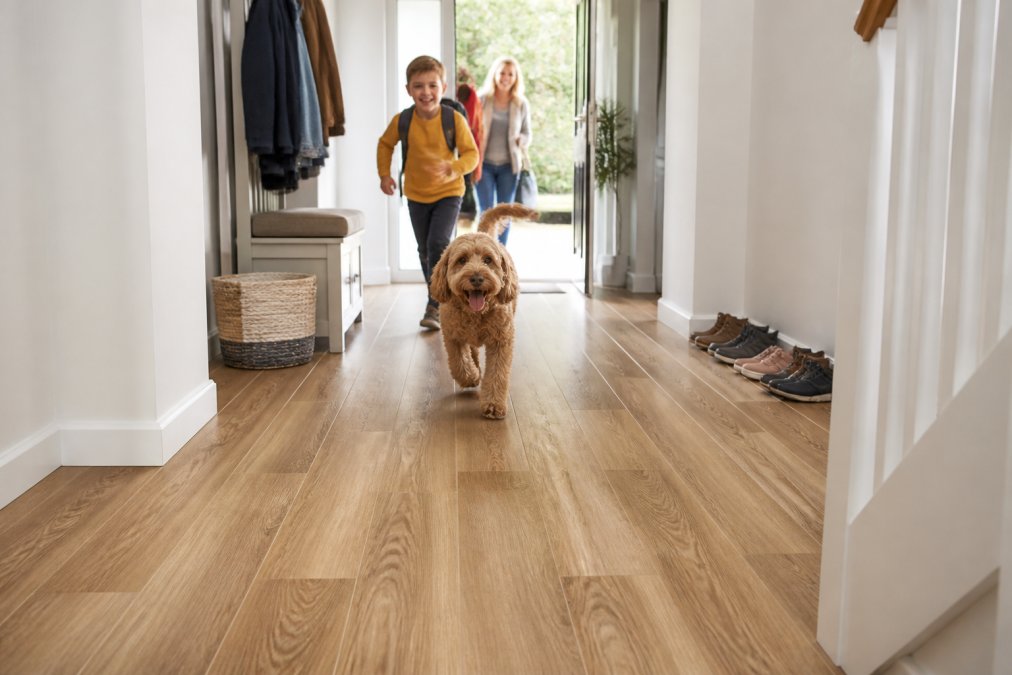
Best Flooring for High Traffic: The Main Contenders
Three materials dominate high-traffic durability: luxury vinyl tile (LVT), porcelain tile, and laminate. Each offers a different balance of resilience, comfort, and cost, depending on where you lay it and how much you value warmth underfoot or acoustic performance.
Luxury Vinyl Tile (LVT) Flooring Durability Explained
LVT flooring durability comes down to its construction. A thick, clear wear layer protects the printed design beneath from scratches and fading, while a rigid core provides dimensional stability. Products like Mohawk Palm City LVP use an enhanced wear layer specifically engineered for heavy foot traffic and a waterproof construction that suits kitchens and hallways. The realistic wood-inspired textures mean you get the aesthetic of timber without the maintenance.
LVT offers excellent moisture resistance and feels softer and warmer underfoot than stone or tile. Its primary drawback is that it requires a perfectly level subfloor.
Porcelain and Ceramic Tile: The Heavy-Duty Option
For sheer indestructibility, porcelain tile is the benchmark. Marazzi's range of high-density porcelain tiles demonstrates how high density delivers both impact resistance and a stain-resistant glazed surface that is virtually impervious to scratches. This makes it the go-to for commercial spaces or high-traffic entryways where mud and grit are a constant presence.
Tile is cold underfoot, and professional installation is strongly recommended to avoid cracked grout and lippage. A dropped glass will smash, but the tile itself will survive almost anything else.
Laminate Flooring: A Practical Balance
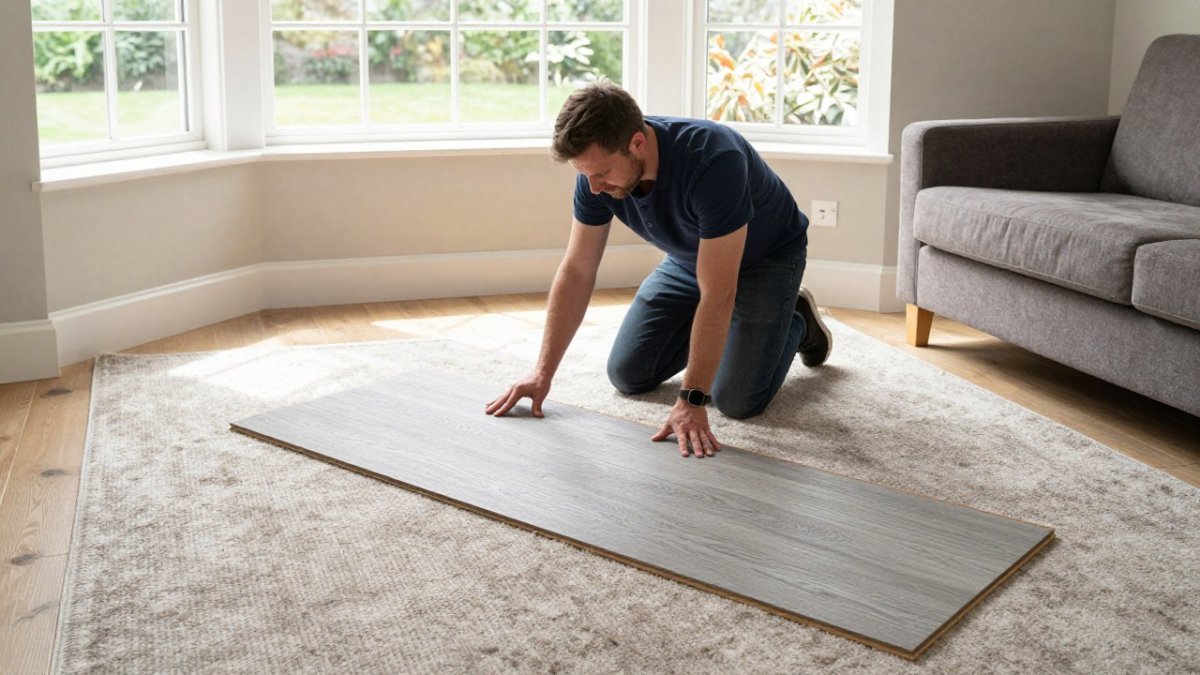
Laminate sits between LVT and tile on the durability spectrum. Modern options like Pergo Laminate Flooring use a titanium-infused surface layer for superior scratch resistance and a water-resistant core that handles the occasional spill. The click-lock installation system also makes it a practical choice for confident DIYers.
The trade-off is acoustic performance: laminate can sound hollow and noisy underfoot compared to carpet or LVT. It is also more susceptible to moisture damage than LVT if water is left standing.
| Flooring Type | Scratch Resistance | Waterproof | Underfoot Comfort | Best For |
|---|---|---|---|---|
| Luxury Vinyl Tile (LVT) | High (wear layer) | Yes | Warm and soft | Kitchens, hallways, family homes |
| Porcelain Tile | Very High | Yes | Cold and hard | Entryways, commercial spaces |
| Laminate | High (surface coat) | Water-resistant | Firm, can be noisy | Living rooms, bedrooms |
| Engineered Hardwood | Moderate | Water-resistant | Warm and natural | Value-focused renovations |
| Pet-Protect Carpet | Low to moderate | No | Softest and warmest | Living rooms, bedrooms |
Best Flooring for Hallways and Entryways
Hallways and entryways are the true test of any floor. They channel every visitor through the house, collect grit from outside, and endure the scuffing of shoes. For these spaces, the best flooring combines waterproof properties with a high wear layer, narrowing the field to LVT or porcelain tile.
LVT is the more practical choice for most homes. Its waterproof construction means wet coats, muddy boots, and dripping umbrellas cause no damage, and the textured surface offers better slip resistance than polished tile. Porcelain remains the choice for those who want a truly hard-wearing surface that will look the same in twenty years, but you will need to manage the cold underfoot with underfloor heating or a runner rug.
A key consideration in entryways is the transition from outside. A hard surface that can be wiped clean is essential, but so is a mat or recessed well to trap the worst of the grit before it reaches the main floor. This simple addition dramatically extends the life of whatever material you choose.
Key Factors Beyond the Wear Layer
The wear layer is only half the story. Two floors with identical surface durability can perform very differently once you account for what lies beneath and how the room is used.
Subfloor Preparation: The Non-Negotiable First Step
A floor is only as good as the surface it sits on. LVT and laminate are floating floors, meaning they require a flat, level subfloor to avoid lippage at the joints and uneven wear. The Resilient Floor Covering Institute's installation guidelines emphasise that proper subfloor preparation is the single most important factor in preventing premature failure of resilient flooring. Skipping this step is the most common cause of warranty claims, yet it is entirely avoidable.
Here is what a professional installer checks before laying a single plank:
1. Flatness Tolerance
For most LVT and laminate products, the subfloor must be flat to within 3 mm over a 2-metre straightedge. A self-levelling compound is the standard fix for concrete subfloors, while timber subfloors may require sanding down high spots or building up low areas with plywood.
2. Moisture Testing for Concrete
Moisture rising through a concrete slab can cause LVT adhesive to fail or laminate cores to swell. Installers use a hygrometer to measure the relative humidity of the slab; readings above 75% RH typically require a damp-proof membrane (DPM) before installation.
3. Timber Subfloor Preparation
Squeaky timber boards should be screwed down to the joists to eliminate movement. High spots need sanding, gaps should be filled with a flexible wood filler, and a 6 mm plywood underlayment is often recommended to provide a stable base and spread point loads from heavy furniture.
4. Acoustic Underlayment as a Dual-Purpose Layer
A high-quality acoustic underlayment, typically made from recycled rubber or cross-linked foam, does more than reduce noise; it also smooths out minor subfloor irregularities. For upstairs rooms, a 5 mm acoustic underlay can reduce impact sound transmission by up to 20 dB.
Acoustic Performance: The Overlooked Factor in Busy Homes
Hard floors transmit sound. In a busy household, the clatter of footsteps on laminate or tile can be intrusive, particularly upstairs or in open-plan spaces.
Footsteps, dropped objects, and furniture movement generate impact noise that travels through the floor structure. The solution lies in the underlayment, not the floor surface itself.
LVT with an attached underlayment, or a separate acoustic underlay, reduces impact noise significantly. Carpet remains the best sound insulator, which is why many homeowners choose it for bedrooms and staircases even when they use hard flooring elsewhere.
For laminate, the hollow sound underfoot is caused by the lack of mass and the air gap between the plank and the subfloor. A thicker, denser underlayment helps but cannot fully eliminate the issue. This is a key reason why LVT with a rigid core, such as SPC (stone plastic composite), is often preferred for upstairs rooms.
Repairability: Planning for the Inevitable
Repairability is another factor that separates good choices from great ones. Even the best floor will eventually suffer a scratch, a dent, or a stain.
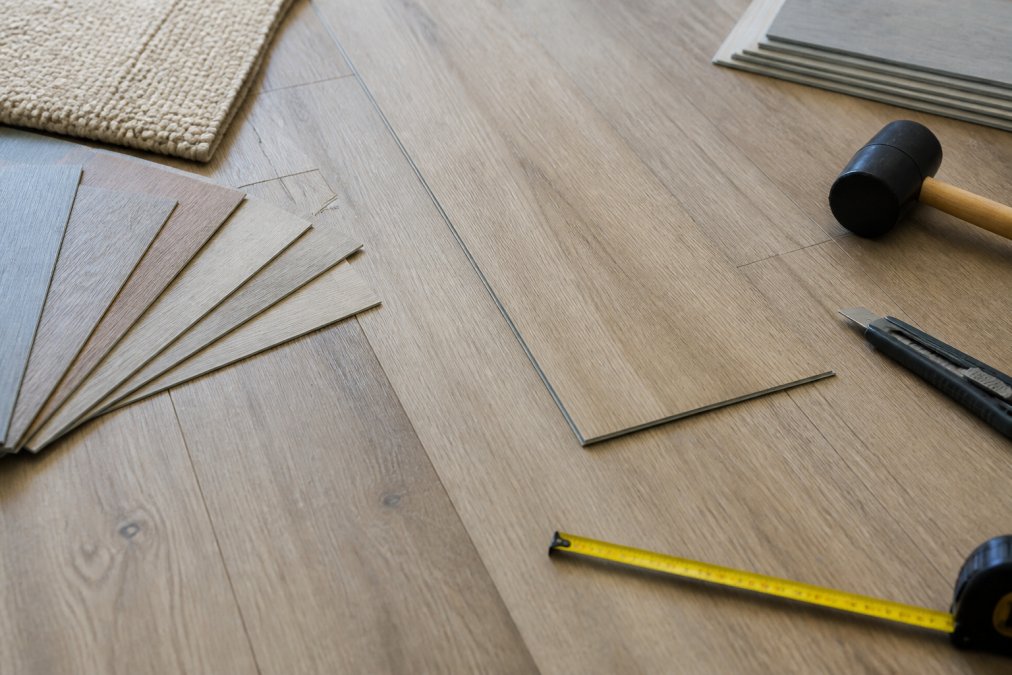
A floating LVT or laminate floor has a clear advantage here: a single damaged plank can be replaced without disturbing the rest of the installation, provided you keep spare planks from the original batch. A competent DIYer can handle this in an afternoon.
Porcelain tile is far harder to repair. A cracked tile often requires cutting out the grout, carefully chiselling away the tile, and hoping neighbouring tiles survive. In practice, this often means replacing a larger section of the floor, which is why installers recommend keeping a box of spare tiles.
Engineered hardwood offers a mid-point. It can be sanded and refinished a limited number of times, typically two to three times depending on the thickness of the wear layer, restoring the entire floor to like-new condition.
The Practical Takeaway
The best flooring for high traffic is not just about the surface you see; it is about the system you build beneath it. A properly prepared subfloor, a high-quality acoustic underlayment, and a plan for future repairs separate a floor that looks great for a decade from one that fails within a few years.
How to Maintain High Traffic Floors
The maintenance routine for a high-traffic floor is straightforward, but consistency matters more than effort. A daily sweep or vacuum with a soft brush attachment removes the grit that acts like sandpaper on the surface.
The single most effective habit is placing doormats both outside and inside every entrance. Research suggests that The Carpet and Rug Institute's soil removal studies show that proper matting systems trap the majority of dirt before it reaches the main floor, dramatically reducing wear. This is the cheapest form of protection you can buy for any flooring material.
For LVT and laminate, avoid steam mops and excessive water, which can penetrate the joints and cause swelling over time. For porcelain tile, the grout lines are the weak point; seal them annually to prevent staining.
Which Flooring Should You Pick?
The decision ultimately comes down to your priorities, but you can make it more systematic by scoring each material against the specific demands of your home.
Scenario 1: The Busy Family Home with Children and Pets
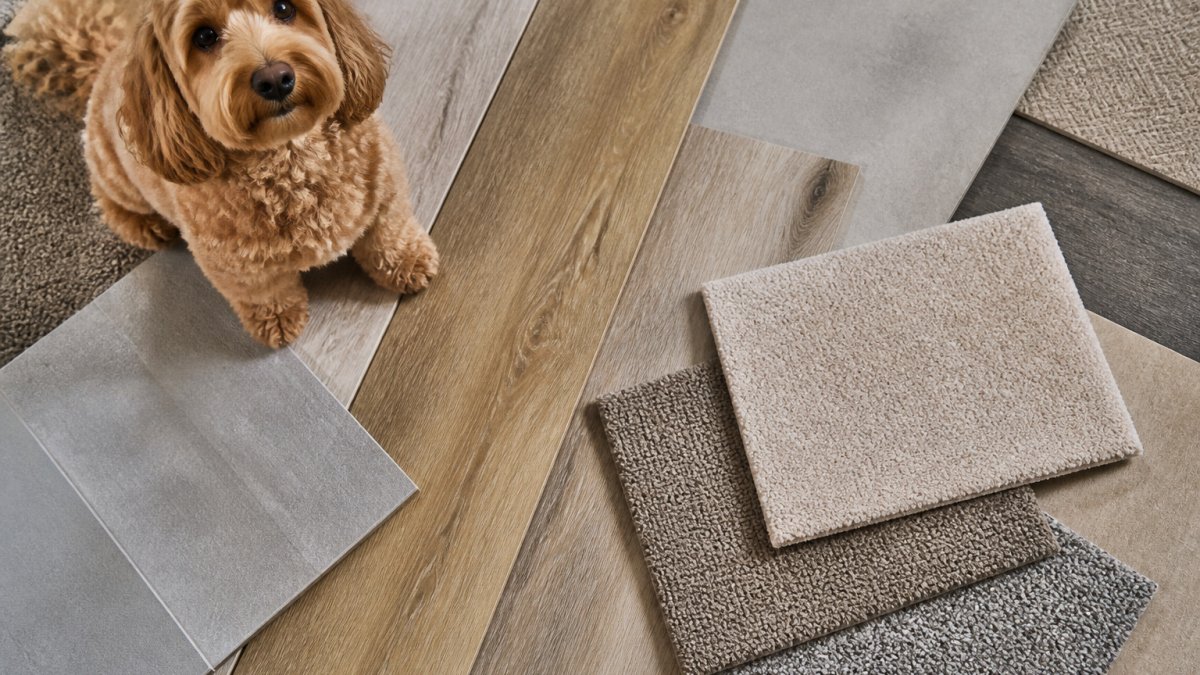
If you have children running through the house, pets with claws, and the constant risk of spilled drinks, your priorities are waterproofing, scratch resistance, and ease of cleaning. In this scenario, luxury vinyl tile (LVT) is the standout choice. Look for an LVT product with a wear layer of at least 20 mil (0.5 mm) for residential use.
For the kitchen specifically, where water is a constant presence, a rigid-core LVT (SPC) is the safest bet. Its stone-plastic composite core is dimensionally stable and completely waterproof, meaning it will not warp or swell even if water sits on the surface for extended periods.
Scenario 2: The High-Impact Entryway and Hallway
Entryways and hallways are the true test of any floor. They channel every visitor through the house, collect grit from outside, and endure the scuffing of shoes and the dragging of bags. For these spaces, the best flooring for hallways combines waterproof properties with a high wear layer, narrowing the field to LVT or porcelain tile.
LVT is the more practical choice for most homes. Its waterproof construction means wet coats, muddy boots, and dripping umbrellas cause no damage, and the textured surface offers better slip resistance than polished tile. Porcelain remains the choice for those who want a truly hard-wearing surface that will look the same in twenty years, but you will need to manage the cold underfoot with underfloor heating or a runner rug.
A key consideration in entryways is the transition from outside. A hard surface that can be wiped clean is essential, but so is a mat or recessed well to trap the worst of the grit before it reaches the main floor. This simple addition dramatically extends the life of whatever material you choose.
Scenario 3: The Budget-Conscious Renovation
If you are working to a tighter budget but still want scratch resistance and a wood effect, laminate is the most cost-effective option. Modern laminate floors with a titanium-infused surface layer offer excellent scratch resistance at a lower price point than LVT. If you choose laminate, avoid installing it in kitchens or bathrooms, and always use a high-quality underlayment to mitigate the noise issue.
The Decision Matrix
To make the final call, score each material from 1 to 5 on the following criteria, weighted by your personal priorities:
| Criteria | LVT | Porcelain Tile | Laminate | Engineered Hardwood |
|---|---|---|---|---|
| Waterproofing | 5 | 5 | 2 | 2 |
| Scratch Resistance | 4 | 5 | 4 | 3 |
| Underfoot Comfort | 4 | 1 | 2 | 3 |
| Acoustic Performance | 3 | 1 | 2 | 3 |
| Repairability | 4 | 1 | 4 | 3 |
| Cost-Effectiveness | 3 | 2 | 5 | 2 |
Add up the scores for each material, and the winner will reflect your specific balance of priorities. For most families, LVT wins because it scores highly across all categories.
The Final Word
There is no single 'best' flooring for high traffic; there is only the best flooring for your specific circumstances. By scoring each material against your priorities, you can make a confident, informed decision that balances durability, comfort, cost, and aesthetics.
Get Expert Advice at Home
Choosing the best flooring for high traffic involves balancing durability against comfort, cost, and aesthetics. The sheer number of options can feel overwhelming, especially when the wrong choice means a costly replacement within a few years.
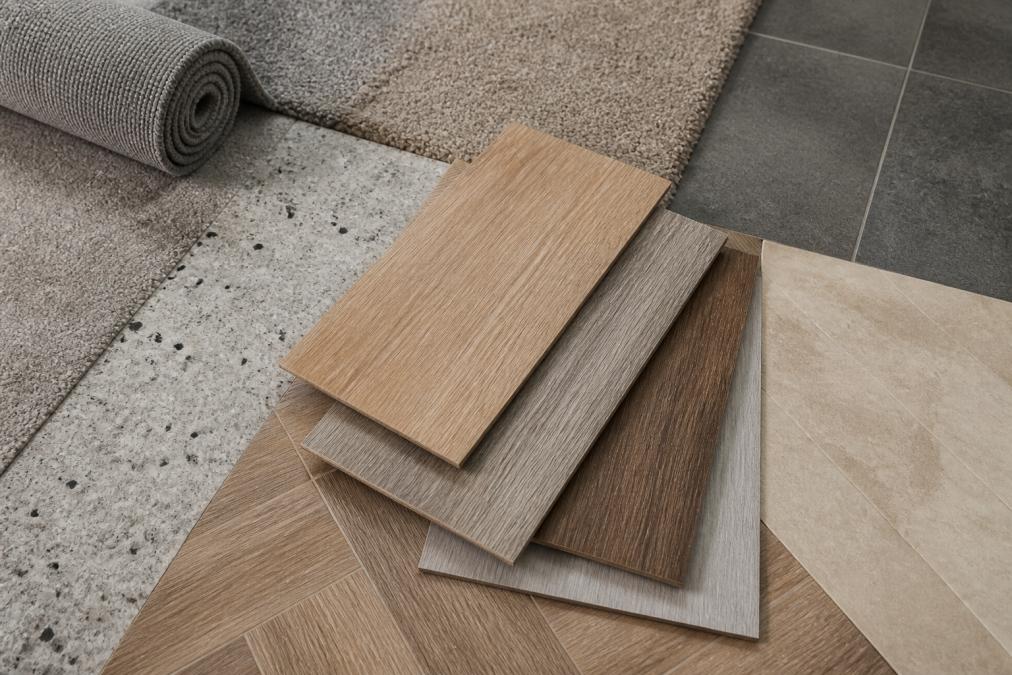
This is where seeing and touching samples in your own home makes the difference. Mobile Carpets and Flooring SW Ltd brings a mobile showroom directly to your door, with thousands of samples and expert consultants who understand how different materials perform under real family conditions.
Book an appointment and get tailored flooring advice without leaving your house.
Frequently Asked Questions
What type of flooring is best for high traffic areas?
LVT (Luxury Vinyl Tile) and porcelain tile are the most durable choices for high traffic areas. LVT offers excellent scratch and water resistance with a softer feel underfoot, while porcelain tile is virtually impervious to scratches and impact. Both handle daily foot traffic well. Laminate is a solid budget option, and commercial-grade carpet works in living rooms if stain resistance is a priority.
What is the difference between standard vinyl and LVT?
Standard vinyl is typically a single-layer sheet product with a printed pattern and a thin wear layer. LVT (Luxury Vinyl Tile) is a multi-layer product with a thicker, more durable wear layer that provides better scratch and stain resistance. LVT also mimics natural materials like wood and stone more convincingly, making it a popular choice for busy hallways and kitchens where LVT flooring durability matters.
Is carpet a viable option for high-traffic hallways?
Yes, but it requires the right specification. Look for a commercial-grade or heavy domestic carpet with a dense pile and a stain-resistant treatment, such as those with advanced fibre technology. These carpets handle foot traffic well and are easier to clean. Avoid light colours and soft, high-pile carpets in hallways, as they show wear and dirt quickly. A good underlay also extends carpet life.
How do I maintain high-traffic flooring to ensure longevity?
The right maintenance routine depends on the material. For LVT and tile, sweep or vacuum daily to remove grit, then mop weekly with a pH-neutral cleaner. For laminate, use a damp (not wet) mop and avoid excess water. Place doormats at entrances to trap dirt before it reaches the floor. Always follow the manufacturer's cleaning guide to protect the wear layer and finish.
Selecting the right flooring for high-traffic areas is a balance of durability, comfort, and long-term value. The team at Mobile Carpets and Flooring SW Ltd can guide you through the options with a convenient at-home consultation, bringing thousands of samples to match your style and budget. With expert guidance and high-standard professional installation, you get a seamless and stress-free transformation. Book your appointment and find the floor that will take everything your home throws at it.